A trip to Lithuania for the EUROPARC Conference 2025

A trip to Lithuania for the EUROPARC Conference 2025

As Wilder Northumberland Officer at Northumberland Wildlife Trust - Laura Hindle attended the EUROPARC Federation Conference 2025 in Lithuania to find out how other organisations are approaching nature recovery in their own countries. Read her exciting blog to find out all about it!

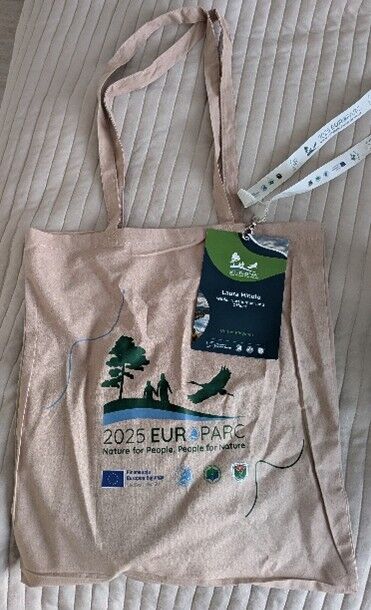
Back in July, staff from any of The Wildlife Trusts under the age of 30 were invited to apply for a place on the EUROPARC Federation Conference 2025. For those who don’t know, ‘The EUROPARC Federation is the network for Europe’s natural and cultural heritage. The Federation works, to improve the management of Protected Areas in Europe through international cooperation, exchange of ideas and experience, and by influencing policy.’ As Wilder Northumberland Officer at Northumberland Wildlife Trust, I leapt at the chance to go to Lithuania for the conference to learn more about what other organisations and countries are doing for nature recovery. 

Once I found out my application had been accepted, it was full steam ahead booking flights and accommodation for the trip in October! I ended up getting the train to Edinburgh, flying Edinburgh to London Stanstead and then from there to Kaunas in Lithuania. Once in Kaunas I met up with Peter from London Wildlife Trust and we travelled by bus to Birštonas in the Nemunas Loops Regional Park where the conference was based. Birštonas is a resort town, known for its mineral water. A long day of travelling but definitely worth it to be in such a beautiful part of the world.
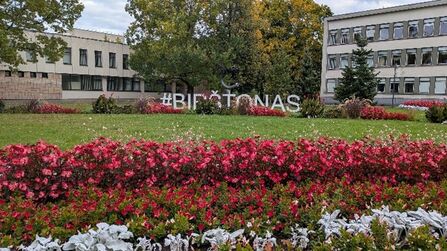
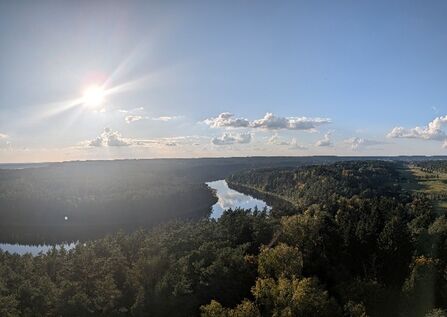
The conference was over four days and consisted of intriguing talks from organisations across Europe, interactive workshops with like-minded conservationists, mini excursions around Birštonas, field trips, delicious food, a market place where people could showcase their work, a cultural evening with Lithuanian dancing and music and finally a gala to end the conference. Now I could write pages on the whole conference on how amazing it was, but for now I am just going to focus on a few highlights! 

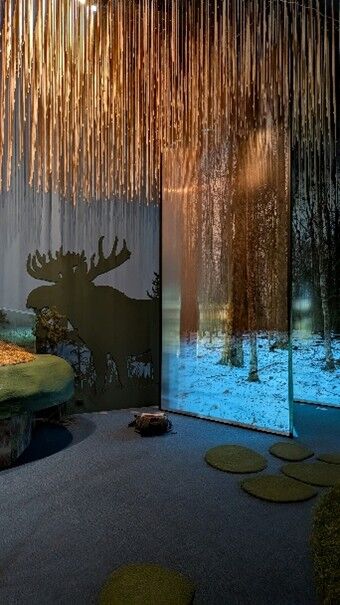
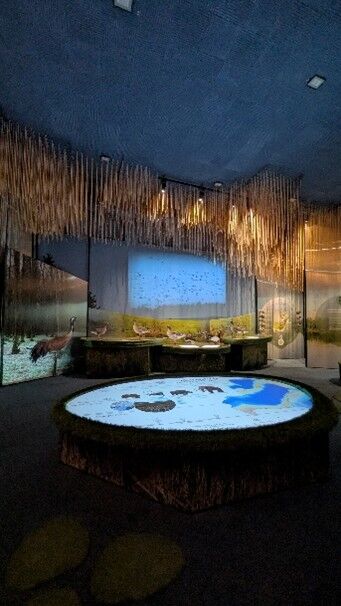
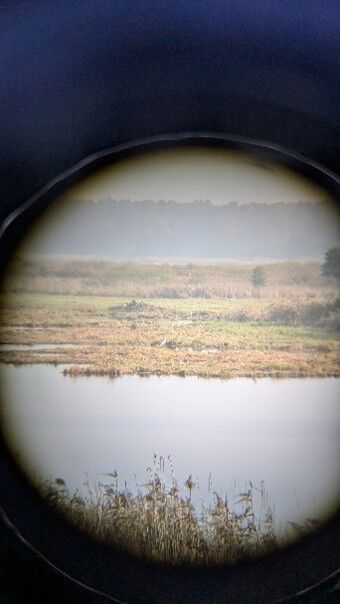
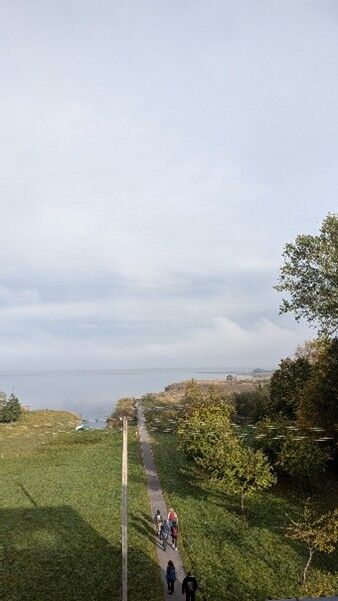
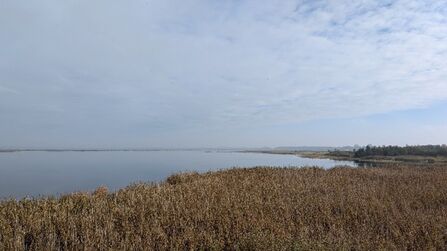
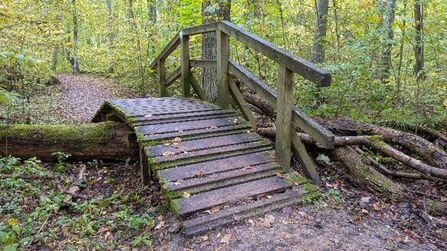
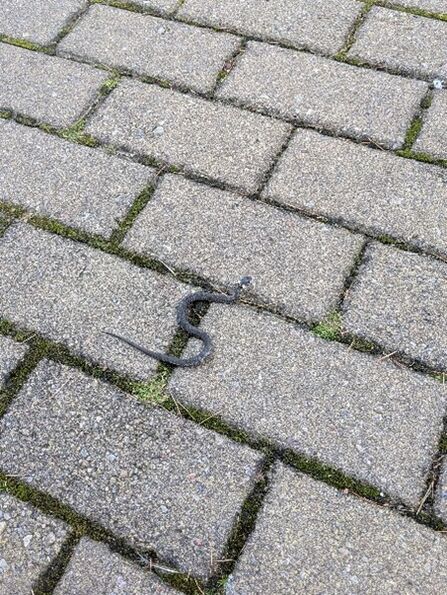
One of the main highlights for me was the fieldtrip to Žuvintas Biosphere Reserve, located in the southern part of the Middle Lithuanian Lowlands. It encompasses lakes, wetlands, mires, peatbogs and forests. The reserve is the oldest nature protection area in Lithuania and it is recognised under UNESCO’s Man and Biosphere Programme and is part of the World Network of Biosphere Reserves. It is a beautiful site with a variety of different habitats and is rich in biodiversity. We had a lovely tour of the visitor centre which had a brilliant exhibition showcasing the history of the site as well as what habitats and species they have. We then ventured out onto the site along boardwalks to their hide and it was an atmospheric cold and misty morning. In the afternoon, we went for a wander in the woodland. Highlights from the woodland walk included seeing various fungi such as Dead Mans Fingers, a small grass snake (which is recognised in Lithuanian culture as a symbol of fertility and good luck!) and also seeing how they had built bridges over fallen deadwood rather than just cutting it and moving it from the path - definitely letting nature lead the way!

Now in terms of the talks, they were all very interesting and demonstrated all the important work organisations are doing across Europe. I found the presentation on Shifting Baseline Syndrome very insightful and it is such an important subject. For those who don’t know, Shifting Baseline Syndrome is defined as ‘a phenomenon where the perceived 'normal' state of environmental conditions declines with each successive generation, leading to a distorted understanding of ecological changes. It occurs due to a lack of experience, memory, or knowledge of the past condition of the natural environment, resulting in gradual changes being accepted as the new norm’. The talk did go into how we can reverse the trend and of course it is all about raising awareness and this can be done in so many ways via memory through artwork, photos, and poems or through knowledge sharing and learning from each other, as well as not forgetting about old maps and history books. A key message was to question things, for example, ‘was this environment always like this?’. This talk nicely led into another talk about Glenveagh National Park in Ireland where they have a 100-year native woodland management plan and are taking a multigenerational approach to nature restoration. Both talks highlighted the importance of knowledge sharing between generations and that the way forward is all about people and nature thriving together. 

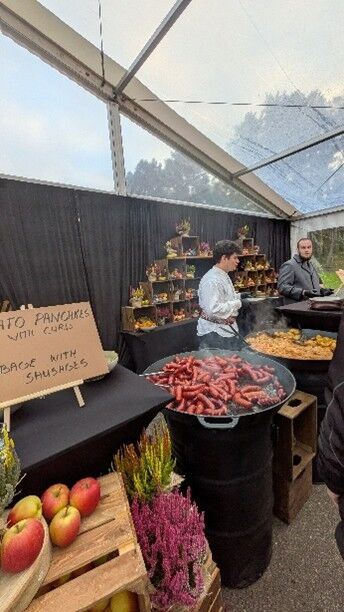
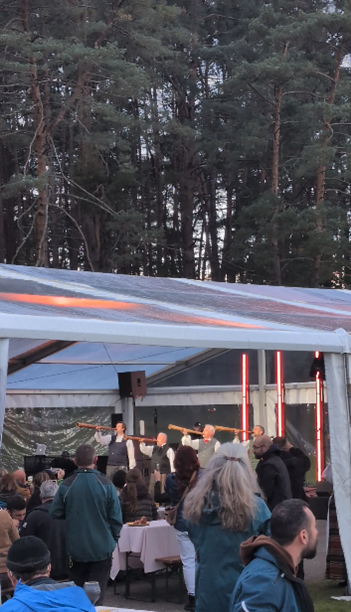
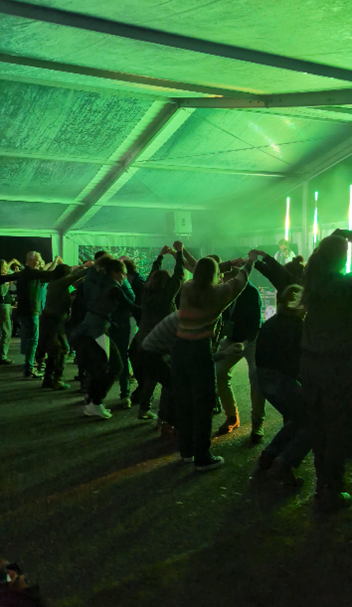
The social parts of the conference were also a highlight. One of the nights was all about celebrating Lithuanian culture, community and connection and we enjoyed an open air evening with Lithuanian folk music and dancing, as well delicious cuisine! On another evening there was the Market Place where there were brilliant showcases of local products as well as projects across Europe about restoration and cultural heritage. 

Overall the EUROPARC Conference was brilliant. It was such an inspiring week getting to see and meet organisations that are doing similar work across Europe. It is not everyday that you get the opportunity to go to another country and learn about all the exciting things everyone is up to! One of my main takeaways was how we may all live in different countries but all the organisations present are doing important actions for nature recovery. There is so much overlap in our aims, missions and actions but with new ideas amongst us all to share and learn from. Everyone I met was very knowledgeable and it was intriguing seeing the different stages everyone is at on their way to nature recovery. Also, it was great to see so many people at different stages in their career - the EUROPARC Conference was definitely for everyone. The conference theme was Nature for People and People for Nature and I came away inspired with new ideas to move Wilder Northumberland forward and a network of new contacts and expertise to draw on. 

Finally, here is a link to the video from the conference, why not give it a watch!